
Cameroon’s DGI Digital Overhaul: A Compliance & Tax Mobilisation Game-Changer.
Authored by: Banyong Fonyam Jonie Jr.
Legal & Tax Professional | Regulatory Compliance (Cameroon)
Date: May 13, 2026
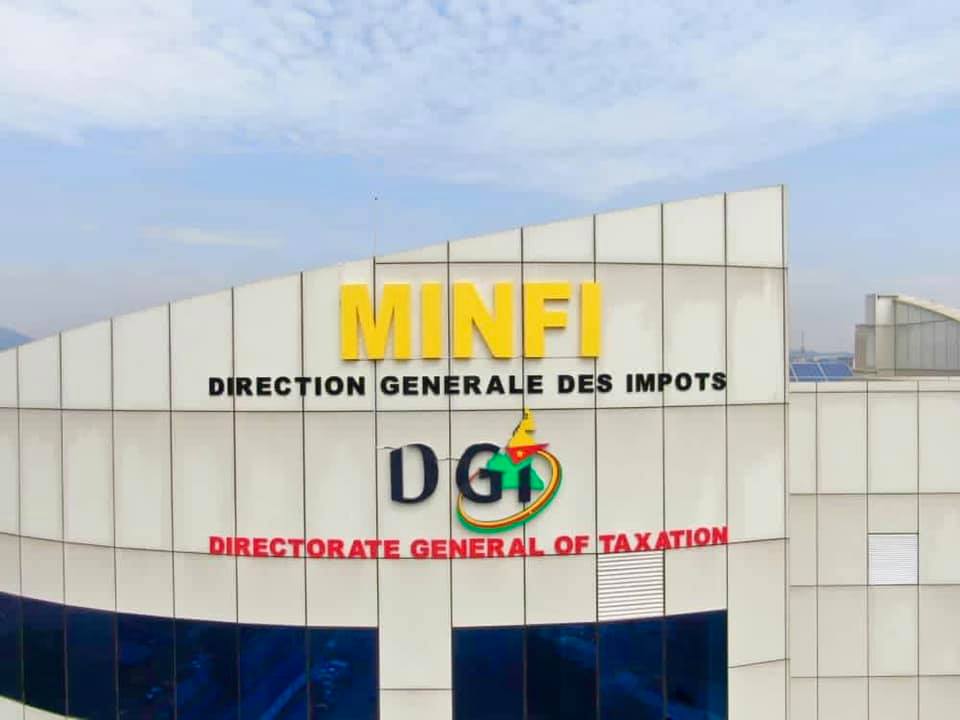
In a landmark move for Cameroon’s public finance architecture, the Directorate General of Taxes (DGI) has officially signed a CFA 4.7 billion contract to deploy a new Integrated Tax Management System (SIGIT).
Following an international tender launched in February 2025, the Ministry of Finance selected a Tunisian-Canadian-Cameroonian consortium comprising Arabsoft, Oradist (Tunisia), C2D (Canada), and DBS (Cameroon). The project is fully financed by Germany’s KfW development bank, which issued its non-objection on April 7, 2026. The 24-month rollout will cover design, supply, installation, commissioning, and full knowledge transfer to DGI teams.
What SIGIT means for taxpayers & compliance professionals
From a regulatory standpoint, this is not simply an IT upgrade—it is a fundamental shift in tax enforcement and service delivery. The new platform will centralise:
- Taxpayer registration & management
- Data analytics & risk-based auditing
- Interconnection with other public administrations (e.g., Customs, Land Registry)
- Online declarations, payments, case tracking, and claims processing
- Full traceability, data security, and backup mechanisms
Two strategic objectives stand out
1️⃣ Improved service quality for taxpayers – a welcome move toward transparency and reduced physical bottlenecks.
2️⃣ Strengthened domestic resource mobilisation – critical for reducing Cameroon’s dependence on external financing and meeting IMF commitments on broadening the tax base.
Why this matters for legal & compliance practitioners
For those of us advising businesses on regulatory compliance in Cameroon, this signals the end of manual filing loopholes and unstructured taxpayer records. Expect:
- Tighter cross-administration data matching (e.g., tax vs. customs declarations)
- Automated compliance flags based on real-time analytics
- Reduced discretion at collection points, but also new obligations around data quality and timely e-filing
The maintenance, warranty, and post-deployment support provisions also suggest a long-term partnership framework—one that demands clear contractual and data protection governance, especially as Cameroon continues to harmonise with OHADA and emerging digital economy tax rules.
Final thought
This is a decisive step toward a more transparent, efficient, and traceable tax ecosystem. For businesses and practitioners alike, the time to prepare for full digital interoperability is now.
Let’s watch the implementation closely—especially how the interconnection with other public bodies is handled from a legal and data privacy perspective.