
CAMEROON DEBT MARKETS | STATE-OWNED ENTERPRISE FINANCING
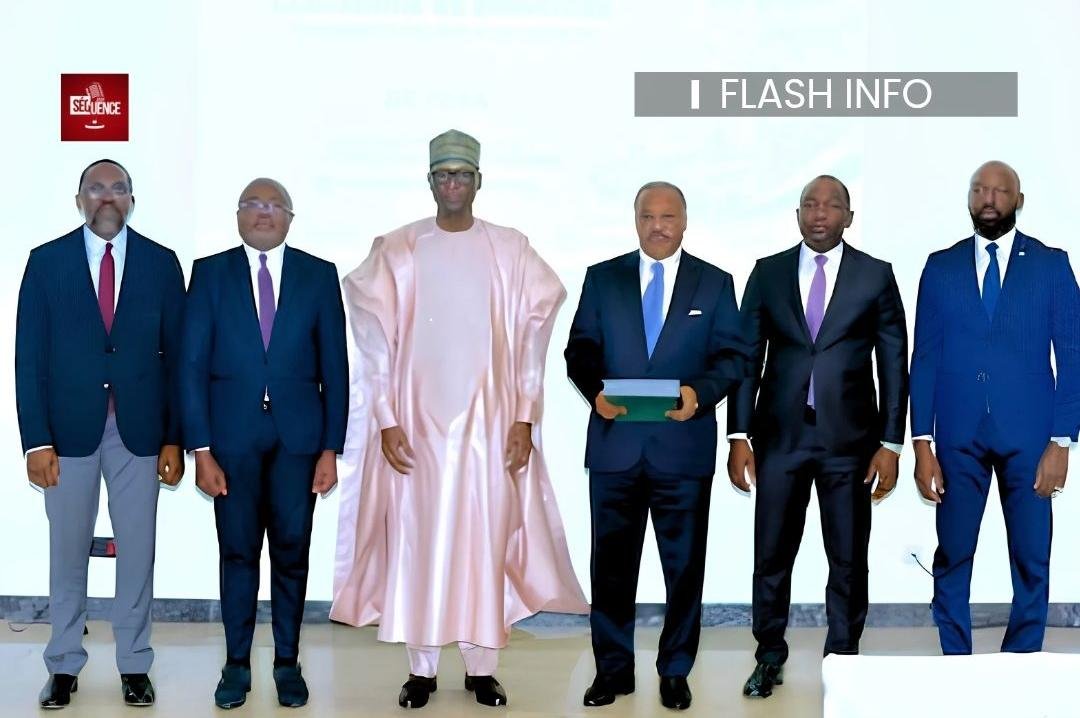
SOCADEL’s XAF 200 Billion Dual-Tranche Facility: A Critical Liquidity Infusion for the National Power Utility
In a landmark transaction for the CEMAC banking sector, Société Camerounaise d’Électricité (SOCADEL); Cameroon’s state-owned electricity corporation-is mobilizing XAF 200 billion from the local banking market. This operation is structured to address immediate working capital constraints while concurrently restructuring a portion of its existing financial exposures.
The Facility Structure:
🔹 Tranche A (Revolving Credit Facility): XAF 50 billion dedicated to covering day-to-day operational liquidity requirements.
🔹 Tranche B (Medium-Term Loan): XAF 150 billion allocated for the refinancing of outstanding bank debt and supplier arrears.
Mandated Lead Arrangers:
- General Bank of Cameroon acts as Arranger and Bookrunner.
- Afriland First Bank and BGFIBank Cameroun serve as Co-Arrangers.
Critical Legal & Procedural Note:
The execution of the mandate is a preliminary, yet essential, procedural step that formally initiates the structuring and syndication phase. It is imperative to clarify that this signing does not constitute an immediate disbursement of funds. The actual drawdown remains contingent upon the fulfillment of standard conditions precedent, including credit committee authorizations and the finalization of all definitive contractual documentation.
My Take:
For a public utility of SOCADEL’s systemic importance, this XAF 200 billion facility signals both urgency and strategic intent. The dual-tranche architecture balancing short-term liquidity with medium-term debt reprofiling reflects a pragmatic approach to stabilizing a capital-intensive entity grappling with operational cash flow gaps. The robust participation of Cameroon’s leading financial institutions as arrangers demonstrates the local banking sector’s capacity to underwrite significant sovereign-linked risk. However, the success of this exercise will ultimately hinge on the syndication appetite of participating lenders and SOCADEL’s underlying tariff recovery and operational efficiency metrics.
All eyes now rest on the documentation phase. Will this facility serve as a sustainable bridge to fiscal health, or merely a temporary reprieve for the national power utility?