
PayPal World’s African Ambition: A Legal and Regulatory Perspective for Cameroon and CEMAC.By Banyong Fonyam Jonie Jr.
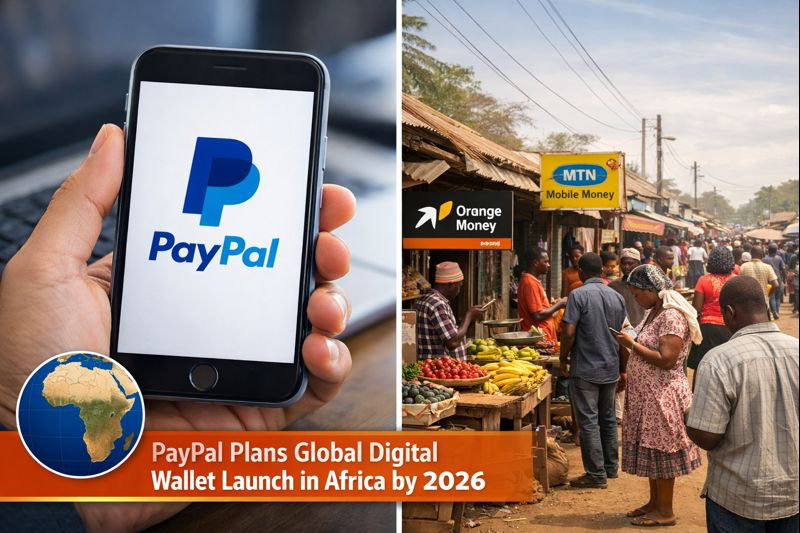
PayPal’s recent announcement of its “PayPal World” initiative—set for launch by 2026—signals a transformative shift in Africa’s digital payments landscape. Unlike previous closed-system approaches, PayPal is pursuing an interoperability layer that integrates existing mobile money platforms, including MTN Mobile Money, Orange Money, and M-PESA. This model promises to bridge the long-standing divide between Anglophone Africa (already PayPal-enabled) and Francophone Africa, including Cameroon, Côte d’Ivoire, and Senegal.
For Cameroon and the wider CEMAC region, this move could redefine cross-border trade, financial inclusion, and regulatory dialogue.
The Francophone Access Gap: Why This Matters for Cameroon
Historically, PayPal’s services have been largely inaccessible across Francophone Africa due to regulatory, infrastructural, and market-entry barriers. Cameroonians and other CEMAC residents have relied on local mobile money ecosystems—such as MTN Mobile Money and Orange Money—for domestic transactions but faced limitations in global e-commerce.
PayPal World proposes to change that by allowing merchants in Douala or Yaoundé to transact with international buyers without leaving their local wallets. This means:
· No mandatory PayPal account creation
· Preservation of existing transaction histories
· Minimal disruption to user behavior
· Enhanced export potential for SMEs
Key Legal and Regulatory Considerations for CEMAC
While the technological proposition is compelling, its implementation will hinge on regulatory alignment. The CEMAC region operates under the Bank of Central African States (BEAC), which oversees monetary policy and payment system regulations. Key questions include:
- Licensing and Compliance: Will PayPal seek formal approval as a payment service provider under BEAC regulations, or operate as a technical partner to licensed mobile money operators?
- Data Sovereignty and Privacy: How will cross-border data flows be managed under OHADA and CEMAC data protection frameworks?
- Foreign Exchange Controls: CEMAC maintains strict FX regulations. How will PayPal navigate currency conversion and repatriation of funds?
- Anti-Money Laundering (AML) Protocols: PayPal’s integration must align with GABAC (CEMAC’s AML body) requirements to ensure secure and transparent transactions.
Competitive Landscape: Implications for Local Fintechs
The entry of PayPal World raises strategic questions for African fintech leaders like Flutterwave and Chipper Cash, which have been building similar cross-border solutions. In Cameroon, where local fintech adoption is growing, PayPal’s move could:
· Accelerate interoperability discussions among local providers
· Encourage regulatory modernization to accommodate global players
· Foster partnerships rather than outright competition, if approached collaboratively
Recommendations for Stakeholders
For Regulators (BEAC, COBAC, GABAC):
· Proactively engage PayPal in regulatory sandbox dialogues
· Develop clear guidelines for interoperability without compromising monetary sovereignty
For Financial Institutions and Mobile Money Operators:
· Explore partnership frameworks to leverage PayPal’s global network
· Strengthen compliance and fraud detection systems ahead of integration
For Merchants and SMEs in Cameroon:
· Prepare for global market access by digitizing operations and ensuring AML/KYC readiness
· Monitor official announcements from BEAC and PayPal regarding phased rollout
Conclusion: Cautious Optimism
PayPal World represents a potential breakthrough in African financial interoperability. If successfully implemented within CEMAC’s regulatory context, it could significantly enhance Cameroon’s digital economy and regional trade integration.
However, as with all cross-border fintech initiatives, success will depend less on technology and more on regulatory diplomacy, local partnership, and adaptive compliance. PayPal must prioritize engagement with BEAC and national authorities to ensure this initiative benefits—rather than disrupts—the existing financial ecosystem.
The road to 2026 will be paved with policy dialogue, and Cameroon must ensure its voice is heard.
Banyong Fonyam Jonie Jr.
Legal & Regulatory Analyst | Fintech & Digital Economy
📍 Douala, Cameroon